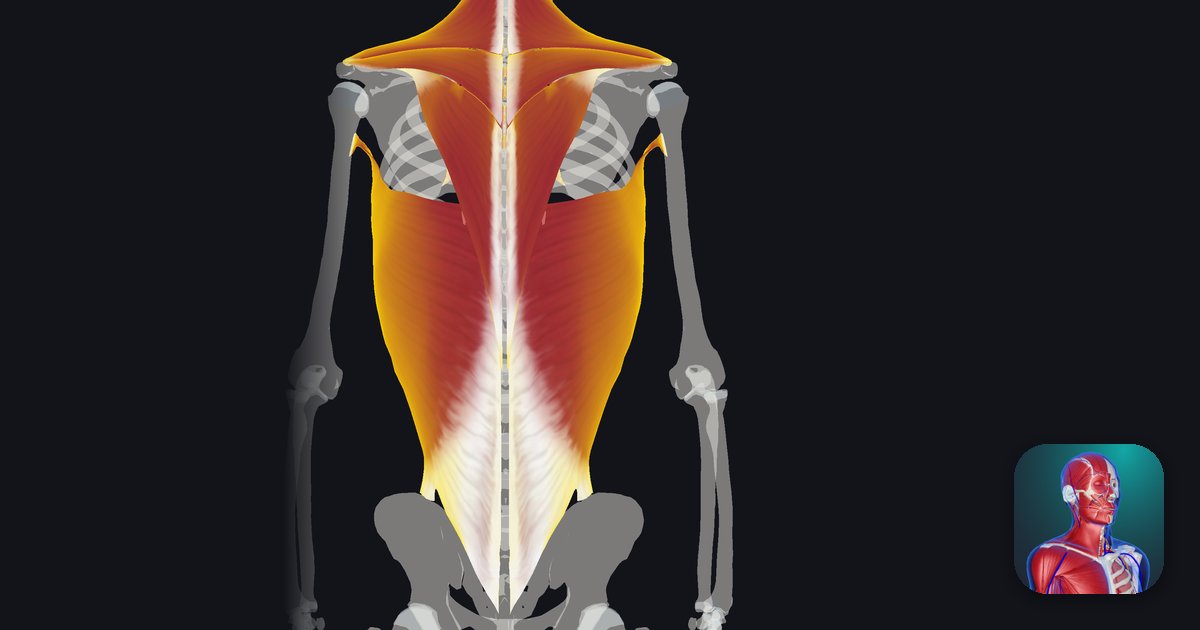
Back muscles: superficial and deep layers, and their nerves
The back muscles form a superficial layer (trapezius, latissimus dorsi, rhomboids) and a deep layer (erector spinae, multifidu...
2025.02.09

The back muscles form a superficial layer (trapezius, latissimus dorsi, rhomboids) and a deep layer (erector spinae, multifidu...
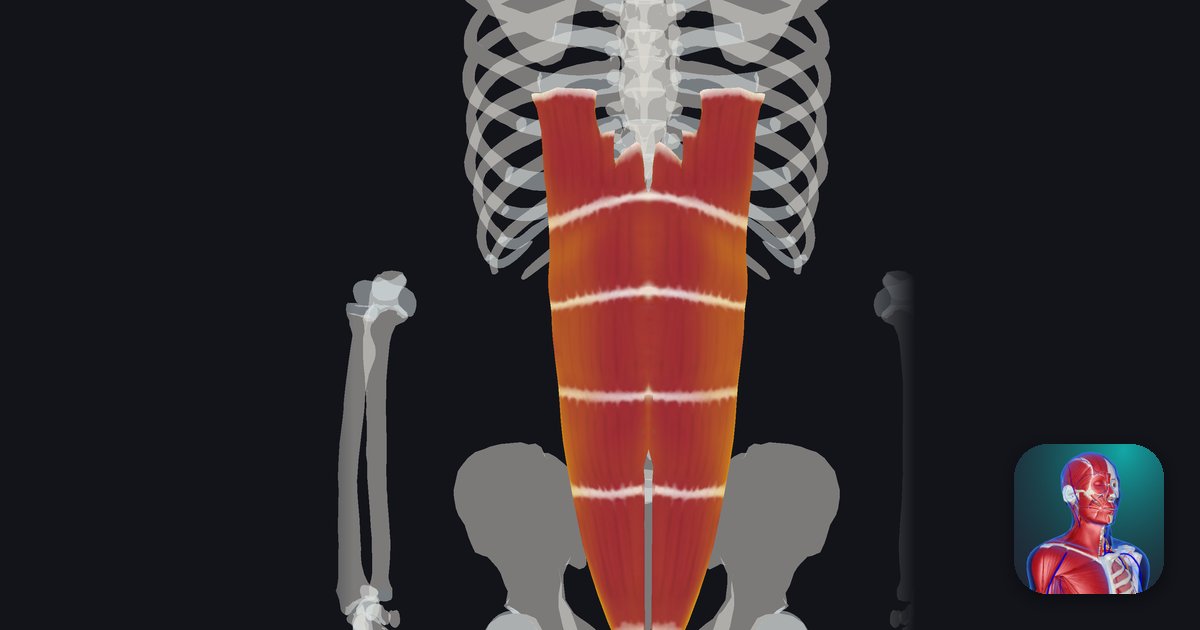
The abdominal muscles form the wall of the abdomen: rectus abdominis in front and three layers at the side with fibres in diff...

The thigh runs from the hip joint to the knee. Its muscle groups, quadriceps, hamstrings and adductors, and the femoral, obtur...
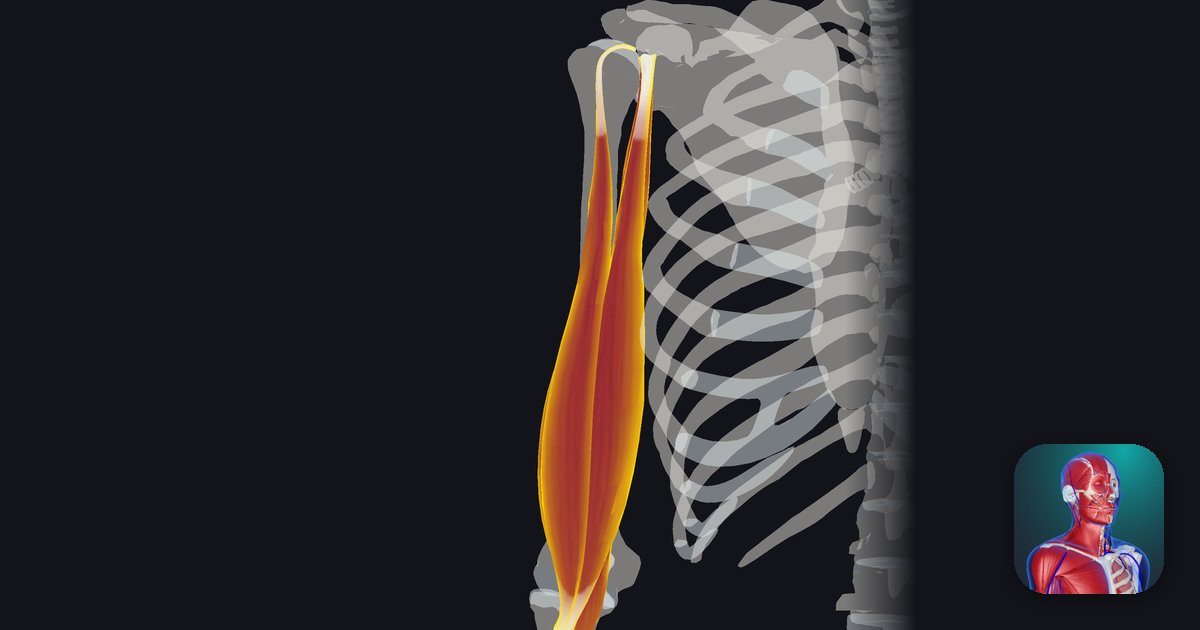
The upper arm from shoulder to elbow: the biceps and triceps brachii, the musculocutaneous and radial nerves, and how to study...
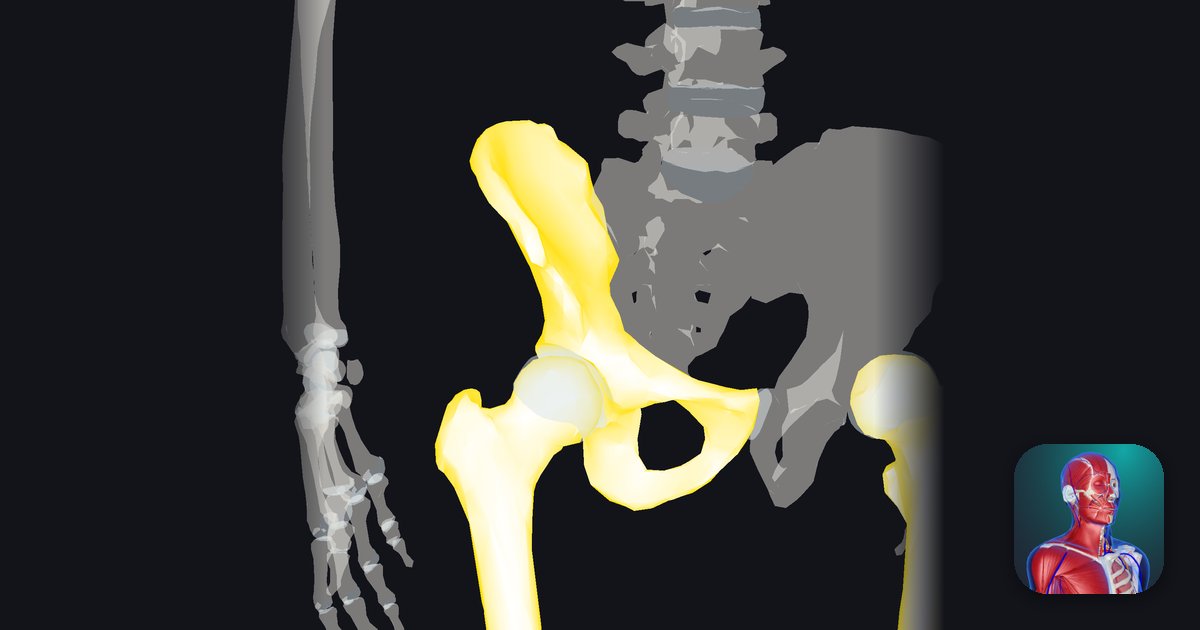
The hip is a ball-and-socket joint between the femoral head and the acetabulum. Muscle groups around it and the sciatic, femor...

The supraspinatus runs from the supraspinous fossa under the acromion to the greater tubercle. Its role in starting abduction,...

The semitendinosus is a hamstring running from the ischial tuberosity to the pes anserinus. Its location, actions at hip and k...
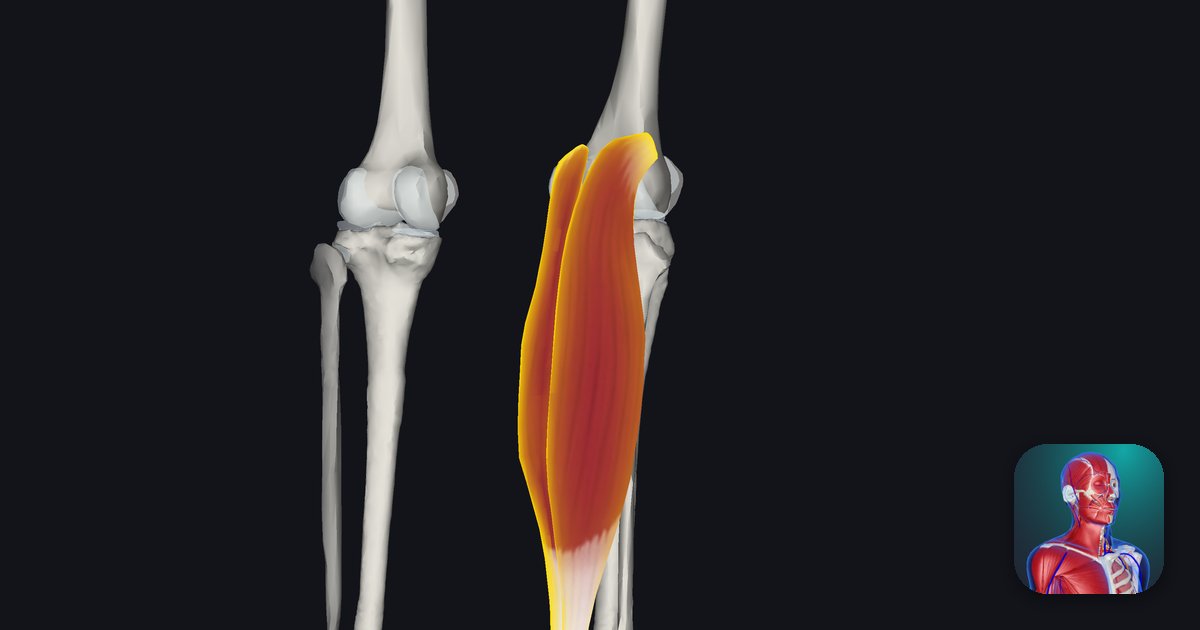
Gastrocnemius is the superficial calf muscle. Its medial and lateral heads arising from the femur, its insertion through the A...

Voluntary muscles are the skeletal muscles we control consciously. Location, striated muscle structure, motor nerves and the n...

The saddle joint is a two-axis joint shaped like two saddles; the main example is the thumb's carpometacarpal joint. Where it ...